
We arrived back home in Maine around midnight Friday night, and I was up bright and early this morning writing, still on Paris time! Someone asked, why the walker? I should have explained that Lance has a very rare form of muscular dystrophy. He didn’t know, back when he was a paratrooper in the 82nd, or later, serving as a stevedore in an Army transportation company in Saudi Arabia during Desert Storm. Traveling through France heightened our awareness of the research we should do ahead of time and increased our appreciation for ADA accommodations in the U.S.
Cobblestones were everywhere, including the interior passage to our first apartment. Our second hotel had no elevator, and all of the larger rooms were on the second floor. Sometimes museums or churches would have elevators, but they invariably had many long, elegant flights of steps. We developed an efficient system of carrying the walker between us – descending into cathedral crypts or up to the heights of Pointe du Hoc, often without railings.
People were almost universally quick and generous to offer a helping hand, and we did find handicapped parking many times just where we needed it. Checking in at the Rouen hotel, a sharply dressed man stepped up to carry the walker upstairs with its load of two heavy bags piled on top. Only later, at dinner in the hotel’s fine restaurant, did we discover that he was a guest, not staff!
On our way home, we took full advantage of mobility assistance services. These were a lifesaver, not just the wheelchair transport, but having someone to guide us efficiently through security and customs. The walker, and people’s kindnesses, made this dream trip a reality!


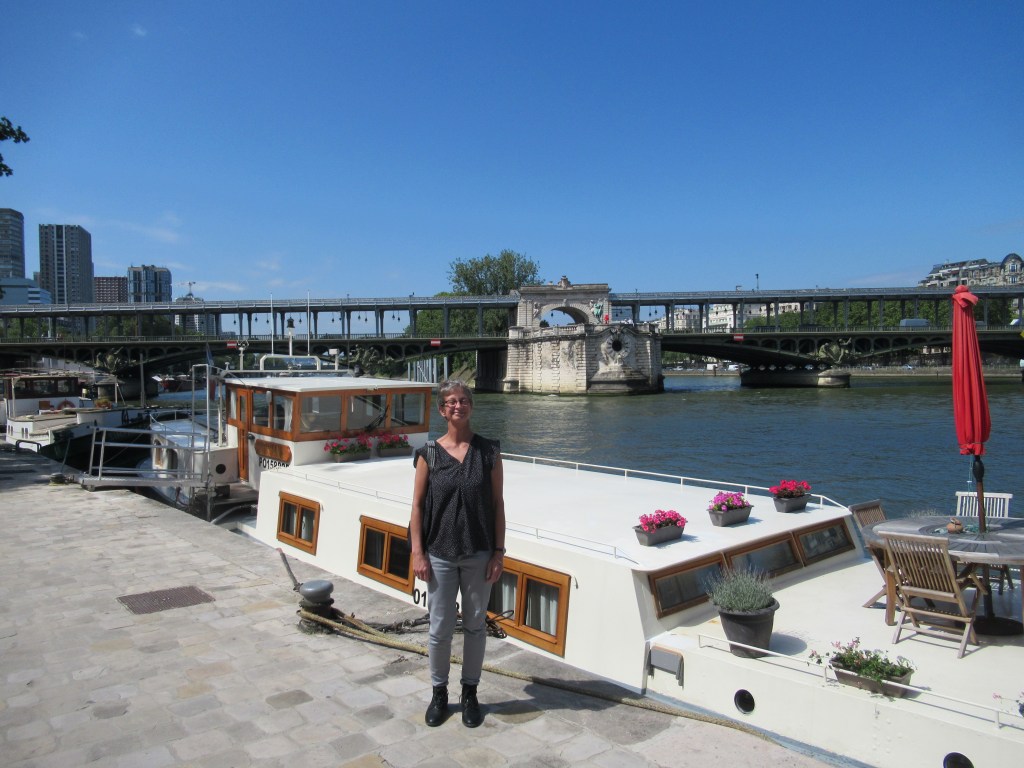
We were pleased with Vedettes de Paris, which offers a one-hour cruise (20 euros) with a guide narrating alternately in French and English. He was engaging and imparted lots of historic information with a personal flair. We had booked ahead and scouted a way to access the river from a bike path near our hotel rather than down the several flights of stairs below the Eiffel Tower.

The boat cruised by the Louvre, the Musée d’Orsay, and Notre-Dame Cathedral, and under bridges both elaborate and historic. I was intrigued to learn that an 1856 statue of a Zouave soldier on the Pont de l’Alma is used to measure flood levels. In the epic flood of 1910, water reached the statue’s shoulders. Passing under the stone arch of the Pont de la Concorde, a treasured symbol of the French Revolution, we looked up at its darkened underside. For centuries, the people of France have taken great delight in crossing its span, which was constructed of bricks taken from the demolished Bastille.

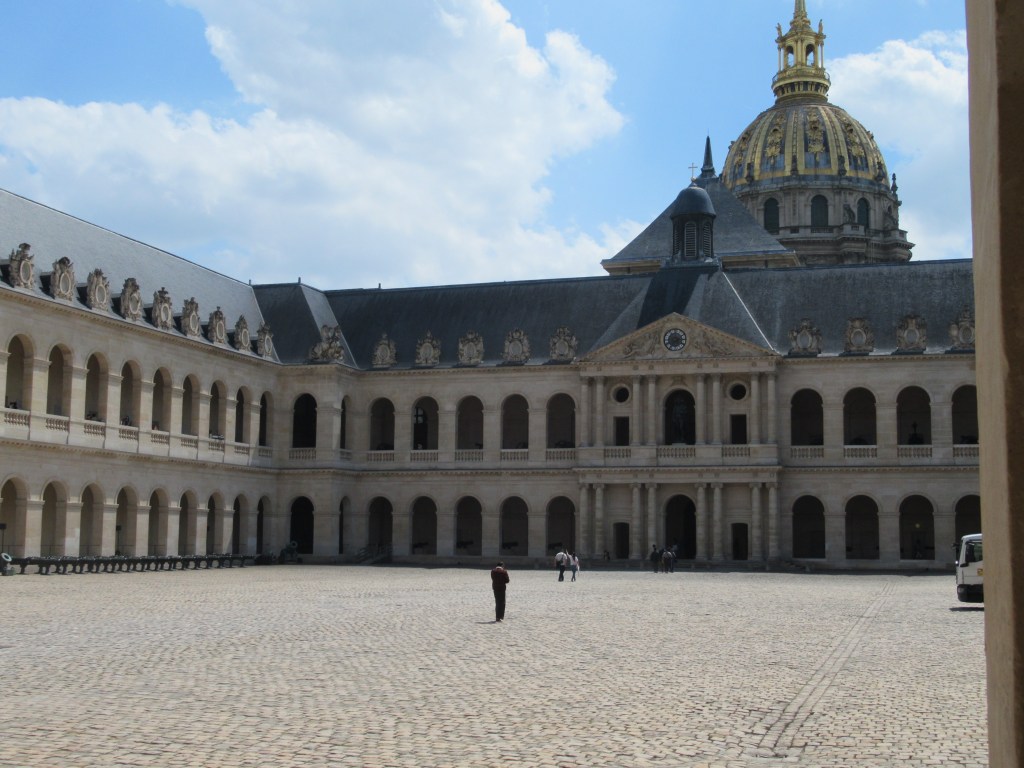
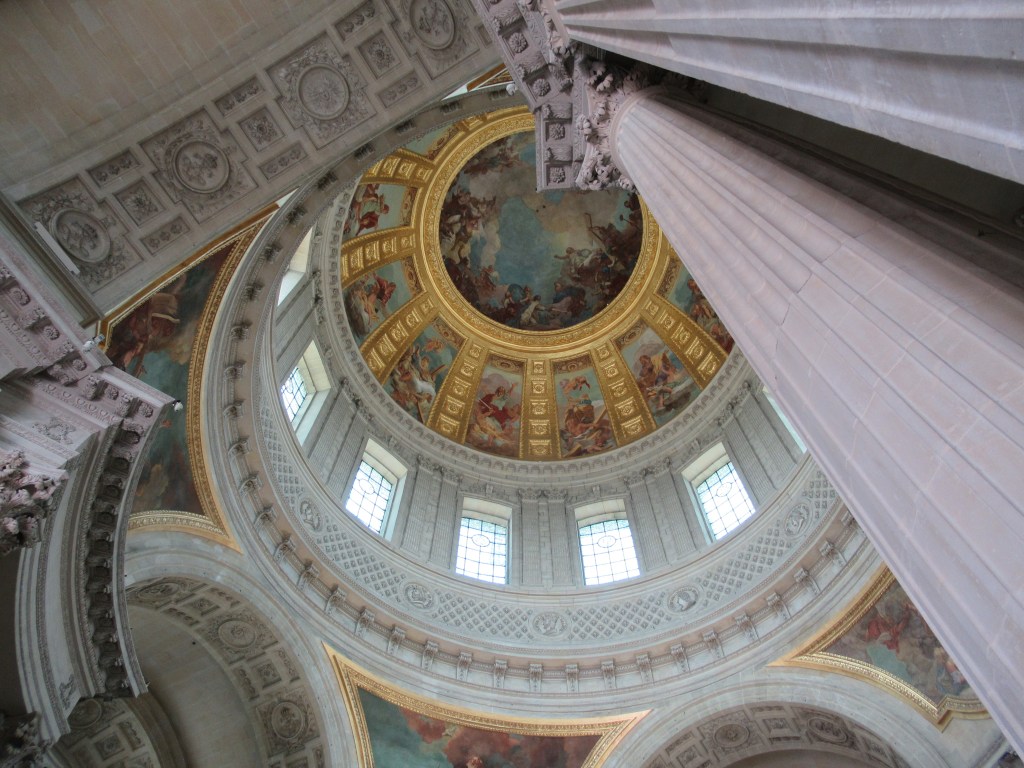
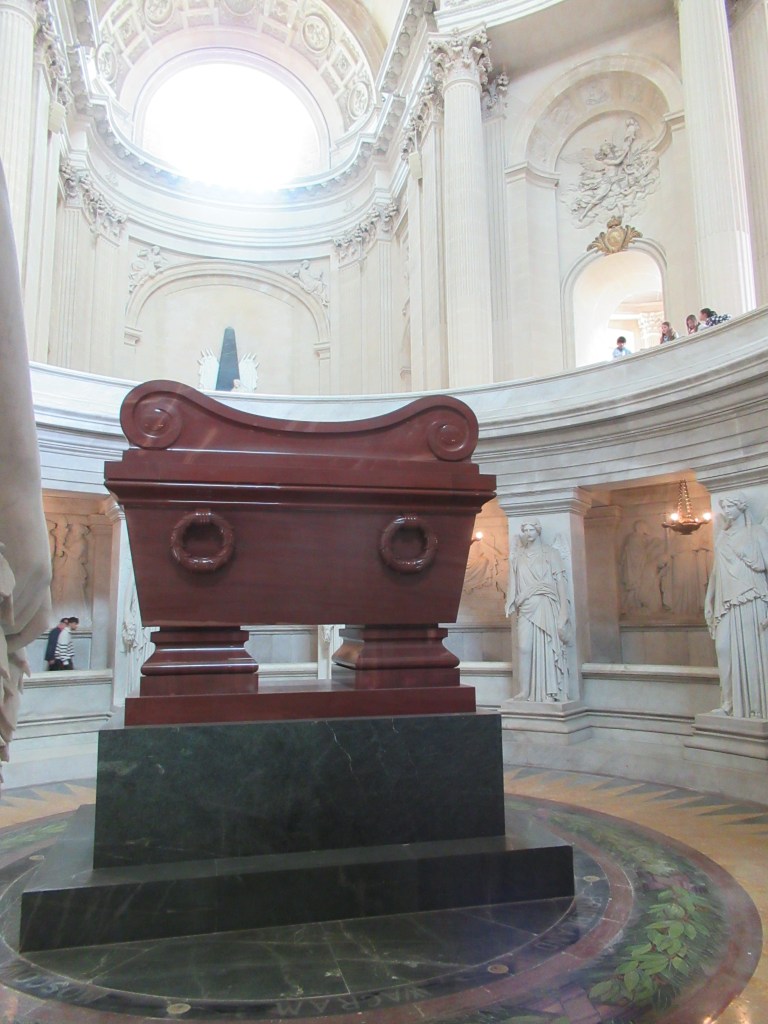
There were many stairs (of course) to descend to the crypt level where Emperor Napolean Bonaparte’s impressive sarcophagus rests, encircled by white marble statues of angels. Above a huge bronze door made from cannons captured at Austerlitz are written these words from Napolean’s will: I wish my ashes to rest on the banks of the Seine among the people of France whom I so much loved.


Toasting our trip with beer and champagne downstairs that evening, we knew that although there were surprises, both helpful and difficult, we had done it! Immersed ourselves in memories of a place and time when the free world joined together with great courage and unity of purpose. Walked places that are hallowed ground to the men of the 82nd Airborne. Seen cathedrals and tapestries, flowers and lots of Normandie cows. Eaten to our heart’s content from markets and shops and in sidewalk cafés, just as we’d dreamed.
 Laurie Apgar Chandler